How to Choose Bedside Table Height for a High Mattress

Time:2026-11-27 Author:Amelia
0%

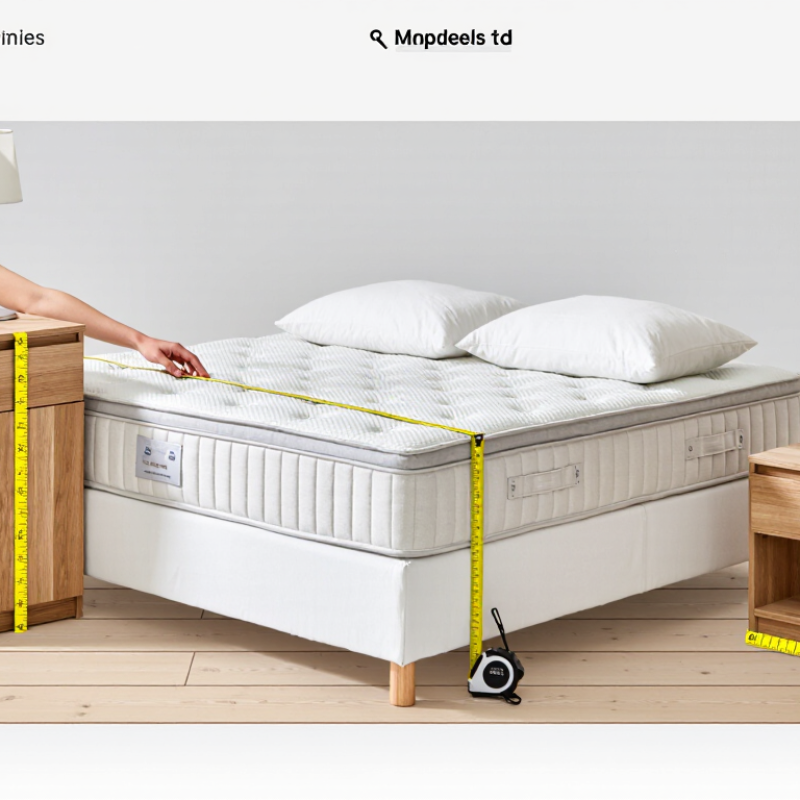
How to choose a bedside table height for a high mattress starts with a simple measurement, not a guess based on the table’s appearance. Measure from the floor to the top of your mattress, including any topper you use. Then compare that height with the table’s surface. A table that sits near mattress level usually keeps a phone, book, or glass of water within easy reach. Too low, and you may need to lean down; too high, and objects can feel awkward to grab.

Small differences matter. For example, a mattress that measures 30 inches high may pair more comfortably with a table close to that height than with a standard, much shorter nightstand. Still, there is no single measurement that suits every sleeper. Your reach, the bed frame, and whether you sit on the edge of the mattress all affect what feels practical. Try placing a book where the tabletop would be and reaching for it from your usual sleeping position. It is a simple test. It is not perfect.

This guide explains how to measure your bed, compare table heights, and account for drawers, lamps, and room layout. It also considers when a slightly taller or shorter table may work better. Personal comfort should guide the final choice, but careful measurements can prevent a costly mismatch. A showroom may look convincing; your own bedside reach is the better test.
How to Choose Bedside Table Height for a High Mattress

Measure the Finished Mattress Height, Including Foundation and Topper

A bedside table can look right in a showroom and still sit awkwardly beside your bed. Measure the finished mattress height before comparing table dimensions. Set up the bed as you use it, with the foundation, mattress, and topper in place. Measure vertically from the floor to the top sleeping surface, not to the bed frame or mattress edge. Use a tape measure beside the bed, and keep it straight. Measure twice. A thick topper can change the result by several inches, while a foundation may add more height than expected. I used to overlook those layers; it made the estimate less useful.

Write down the measurement and compare it with the table’s height from floor to tabletop. A surface level with the mattress, or a little lower, is often convenient for reaching a book or glass without stretching. Personal comfort matters, though. If you sleep on a soft mattress, its edge may compress when you sit down, so consider how you actually reach for items at night. Check the measurement with your usual bedding in place if the finished setup feels different. Small details count. The tape can tilt, and floors are not always perfectly level, so check near the side where the table will stand.

Use the Common 2–6-Inch Nightstand-to-Mattress Height Guideline

How to Choose Bedside Table Height for a High Mattress

For a high bed, use the common 2–6-inch guideline: aim for a nightstand surface 2 to 6 inches above the top of your mattress. Measure from the mattress surface, not the bed frame or box spring. Include any topper you use; even a few inches can change the result. This range keeps a glass of water, phone, or reading lamp within easy reach without making you stretch far downward. Small detail, big difference.

The guideline is a starting point, not a rule carved in stone. Sit or lie in your usual sleeping position and reach toward the table. Your elbow should stay relaxed, and you should be able to set down a book without twisting your shoulder. If the table is lower than the mattress, it may still work, especially if you prefer a lower reach. A much higher surface can feel awkward and may crowd the bed. Check the measurement with the mattress made up, too; thick bedding can hide the true edge. I would not chase an exact number if the table feels comfortable and stable. A quick reach test can tell you more than a tape measure alone.

Calculate the Target Table Height from the Mattress Top

Measure from the floor to the top of the mattress, not to the bed frame. Include any topper you use regularly, and measure near the side where you sleep. If the mattress compresses noticeably, take the measurement while sitting or lying on it. Measure twice. A small difference can affect how easily you reach a glass or phone.

Use that number as the target height for the table’s top surface. For example, if your mattress top is 32 inches from the floor, look for a table around 30 to 34 inches high. A surface level with the mattress is often convenient; a little lower may feel safer when reaching across the bed. Check the table’s usable top height, not just its overall dimensions.

This is a practical range, not a perfect formula. Arm length, mattress softness, and where you place the table all change the feel. Before deciding, mimic your usual reach from bed: set a book or box near the mattress at the proposed height. Can you pick it up without twisting your shoulder? I have found that a measurement can look right on paper and still feel awkward at night. Try a slightly lower height if the table edge presses against the mattress.

Check Reach and Drawer Access from a Lying or Seated Position

A high mattress changes the way a bedside table works. Measure from the floor to the top of your mattress, then compare that height with the table surface. A useful starting point is a tabletop close to mattress level, but your reach matters more than a fixed rule. Lie on your side and reach for a glass placed near the edge. Can you pick it up without lifting your shoulder or twisting your wrist? Try the same movement from your usual sleeping position. Small differences count.

Check access while seated, too. Sit on the bed with your feet supported, as you might when getting dressed or reading. Open each drawer without leaning far forward or catching your knee on the table. Test the handle with one hand. Awkward? That detail is easy to miss in a showroom. A shallow drawer may be easier to reach than a deep one, especially if the table sits slightly above the mattress.

Keep a phone, lamp switch, and water within comfortable reach, but leave enough clear surface to set down a book. If the table is higher, test whether its corners feel intrusive when you roll toward the edge of the bed. I once thought a few extra inches would be harmless; they made reaching across the mattress feel clumsy. Your preferred position may differ, so try the actual movements before deciding.

Confirm Tabletop Clearance and Stability in the Bedroom Layout

For a high mattress, measure from the floor to the top of the mattress, not the bed frame. Then compare that height with the tabletop. Sleep Foundation’s bed-height guide puts an average finished bed at about 25 inches, though frames and mattresses create wide variation. A practical starting point is a table level with the mattress or slightly lower, so you can reach a glass without lifting your shoulder. Check the fit while lying down; standing measurements can mislead.

Clearance matters too. Leave enough room to walk past the table without catching a hip or pulling the lamp cord. Place it on a level floor, and test it with the drawer open. A table that rocks when you lean on it is not a good bedside choice. Keep heavy items low, and avoid using the tabletop as a handhold when getting out of bed. This is easy to overlook in a showroom.

Tips: Mark the mattress-top height on a wall with painter’s tape. Test the reach with your usual book and water glass. If the table feels awkward, reconsider the height; the neatest-looking setup may not be the safest one.

How to Choose Bedside Table Height for a High Mattress - Confirm Tabletop Clearance and Stability in the Bedroom Layout

Measure from the floor to the top of the mattress while it is made and ready for use. As a practical starting point, choose a tabletop level with the mattress or up to 2 inches below it, then check reach and clearance from your usual lying or sitting position.

Mattress-top height from floor Suggested tabletop height Height relationship Bedroom-layout check
30 in (76 cm) 28–30 in (71–76 cm) Level with the mattress or up to 2 in (5 cm) lower Check that the tabletop is easy to reach without leaning across the bed.
32 in (81 cm) 30–32 in (76–81 cm) Level with the mattress or up to 2 in (5 cm) lower Confirm drawers and handles clear the bed frame and bedding.
34 in (86 cm) 32–34 in (81–86 cm) Level with the mattress or up to 2 in (5 cm) lower Make sure the table does not block a walkway, outlet, or bedside access.
36 in (91 cm) 34–36 in (86–91 cm) Level with the mattress or up to 2 in (5 cm) lower If a suitable table is unavailable, test reach and stability before placing items on it.

Clearance and stability checklist

Check Practical measurement or test What to look for
Bed-to-table gap Leave enough space for bedding and drawers; a small gap of about 1–3 in (2.5–7.5 cm) is a useful starting point. The table should not press against the mattress or catch sheets when the bed is used.
Walking space Measure the clear route beside the bed after placing the table. Keep the route comfortable and unobstructed; room needs vary with mobility and layout.
Reach and use Test reaching for a phone or glass from your normal sleeping position. You should be able to reach without excessive stretching or twisting.
Stability Place the table on a level floor and gently test for rocking before loading it. All feet should sit firmly on the floor; the table should not tip or slide during ordinary use.
Top-heavy items Keep heavier items low and avoid overloading the top or open drawers. Follow the furniture maker’s load limits and use any supplied anti-tip hardware as directed.

Measurements are planning guidelines, not fixed standards. Recheck the mattress height after adding a topper, and consider personal reach, mobility, bed-frame shape, and the table’s actual usable surface.

FAQS

How high should a nightstand be beside a high mattress?

A useful starting point is 2 to 6 inches above the mattress top. A level or slightly lower surface may feel easier to reach.

Where should I measure the mattress height?

Measure from the floor to the mattress surface near your side of the bed. Include your regular topper and bedding.

How do I estimate the right tabletop height?

If your mattress top is 32 inches high, try a table around 30 to 34 inches tall. Check the usable tabletop height, not just the table’s overall dimensions.

Does mattress softness affect the measurement?

Yes. If the mattress compresses when you lie down, measure it in your usual sleeping position. Measure twice; a small difference can matter.

How can I test whether a table feels comfortable?

Lie down and reach for a book or water glass at the proposed height. Your elbow should stay relaxed, without a shoulder twist.

Can a nightstand be lower than the mattress?

Yes, if the reach feels comfortable. A slightly lower surface can feel safer, though a very low table may make reaching awkward.

What should I check around the nightstand?

Leave enough walking space to avoid bumping your hip or catching a lamp cord. Test the table with its drawer open.

How do I know if the nightstand is stable?

Place it on a level floor and gently test for rocking. Keep heavy items low, and do not use the tabletop as a handhold. I still find the reach test more revealing than a tidy measurement.

Conclusion

How to choose a bedside table height for a high mattress starts with measuring the mattress as it is actually used. Include the foundation, mattress, and any topper, then measure from the floor to the finished top surface. A useful starting point is to choose a nightstand whose tabletop sits roughly 2–6 inches below the mattress, though comfort and room layout may call for an adjustment.

Use the mattress-top measurement to estimate a suitable table height, then test whether you can reach the tabletop and open drawers easily from both lying and seated positions. Consider what you plan to keep beside the bed, such as a lamp or phone, and make sure these items remain within comfortable reach. Finally, check that the table fits beside the bed without blocking walkways or drawers, and that it stands steadily on the floor. These practical checks help you choose a height that feels comfortable and works well in your bedroom.

Amelia

Amelia

Amelia is a seasoned marketing professional with a wealth of expertise in our company’s core offerings. With an unwavering passion for driving growth and innovation, she plays a pivotal role in shaping our marketing strategies and enhancing brand visibility. A key aspect of her responsibilities......