When considering furniture options, many ask, "Why is solid oak furniture more expensive than pine?" The answer lies in several key factors. Solid oak is renowned for its durability and strength, making it a preferred choice for high-quality furniture. In contrast, pine is softer, which can lead to more wear and tear over time. Oak's dense grain adds stability, resisting cracks and warping under varying conditions.
Additionally, the sourcing of oak impacts its cost. Oak trees take decades to mature, while pine forests grow much faster. This slower growth contributes to oak’s higher price tag. On the other hand, pine is more readily available and easier to work with, which may result in lower production costs. However, this accessibility often comes at the expense of longevity.
Furthermore, the craftsmanship typically associated with oak furniture often elevates its price. Skilled artisans create detailed designs, enhancing the product's appeal. Yet, not all oak products guarantee superior construction. Consumers must be cautious, as some cheaper oak furniture may compromise quality for affordability. Understanding these nuances helps clarify why solid oak furniture commands a higher price than pine.
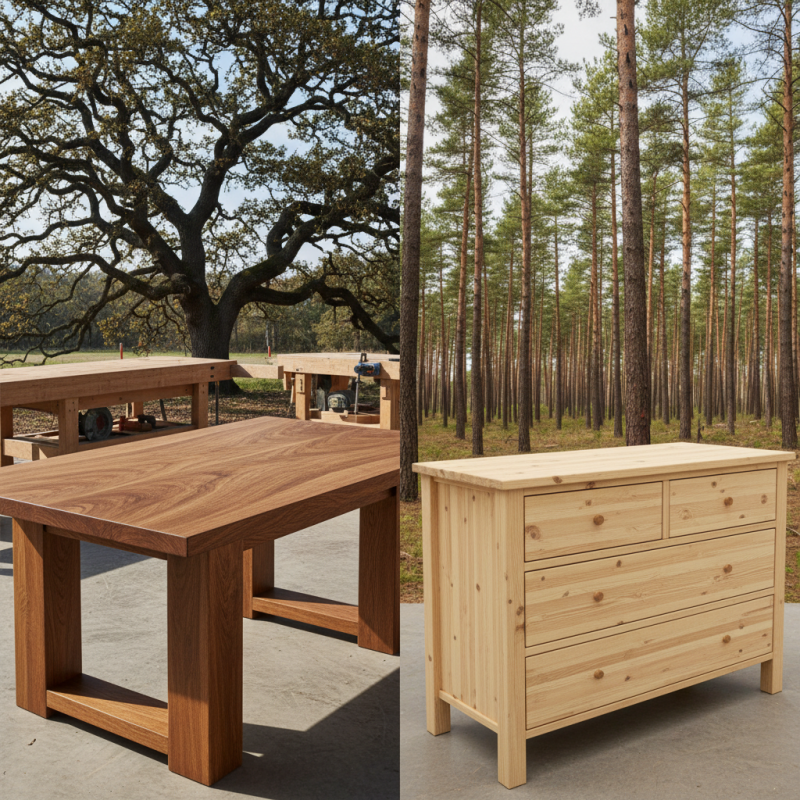
Factors Influencing the Cost of Solid Oak Furniture
Solid oak furniture commands a higher price than pine for several reasons. The quality of the wood itself is a significant factor. Reports indicate that oak trees take much longer to mature than pine trees. Oak can take over 50 years to grow to maturity, whereas pine can be harvested within 20 years. This longer growth time contributes to scarcity and drives up costs.
Durability is another critical aspect when considering oak furniture. Oak is naturally denser and more resistant to wear and tear. A study by the Forest Products Laboratory shows that oak has a Janka hardness rating of about 1,360, compared to pine's rating of around 590. This durability translates to longevity, making oak furniture a worthwhile investment over time.
Craftsmanship also plays a role in the pricing. Many manufacturers prioritize traditional techniques in crafting oak furniture. This approach requires skilled artisans and more labor-intensive methods. The labor costs naturally increase the final price. High-quality finishes and attention to detail add to this expense, ensuring that the end product not only looks appealing but also stands the test of time. Many consumers appreciate the aesthetic of oak, viewing it as a sign of luxury and permanence within their homes.
Comparative Durability: Oak vs. Pine Furniture
When comparing the durability of oak and pine furniture, several key factors come into play. Solid oak is denser and has a tighter grain structure than pine. This density gives oak furniture greater strength and longevity. Oak can easily withstand heavy usage and resist dents and scratches. Pine, on the other hand, is softer, making it more vulnerable to wear and tear. While it may be suitable for certain styles, its durability often falls short compared to oak.
Many consumers overlook the long-term value of oak furniture. Although it may come with a higher price tag, its resilience can save money over time. Consider a busy family environment. With kids and pets, furniture undergoes constant stress. Oak pieces hold up better against this daily demand. On the flip side, pine might need more frequent repairs or replacements. It’s a consideration that often goes unnoticed until damage occurs.
The aesthetic appeal of oak furniture adds to its value. The rich tones and unique grain patterns can enhance any room. This characteristic makes oak stand out as a timeless choice. However, some may find oak’s heaviness challenging when moving. Balancing strength and practicality is essential. If durability and longevity matter most, oak is the wiser investment.
Why is Solid Oak Furniture More Expensive Than Pine Tips? - Comparative Durability: Oak vs. Pine Furniture
| Criterion |
Solid Oak Furniture |
Pine Furniture |
| Durability |
Highly durable, lasts for decades |
Less durable, may last 5-10 years |
| Resistance to Scratches |
Resistant to scratches |
Prone to scratches |
| Weight |
Heavier |
Lighter |
| Cost |
Higher upfront cost |
Lower upfront cost |
| Maintenance |
Requires occasional oiling |
Easy to maintain |
| Aesthetics |
Rich grain and color |
Light color and simple grain |
Grain Patterns and Aesthetic Appeal of Solid Oak
When considering solid oak furniture, the grain patterns stand out prominently. Oak has a unique texture that captures attention. Its grains are distinct, displaying a natural beauty that is hard to replicate. This characteristic makes each piece of oak furniture one-of-a-kind. The variation in grain adds depth and intrigue, enhancing the overall aesthetic appeal.
In contrast, pine furniture tends to have a simpler, more uniform appearance. While pine can be charming, it lacks the richness found in oak. Oak’s sturdy grains tell a story. They evoke a sense of history and durability. Such features can elevate the value of a piece, making it worth the investment.
The color variation in oak also adds to its allure. From deep golden tones to lighter shades, oak can fit diverse decors. With pine, the color is often more consistent. Yet, this uniformity can feel less visually interesting. A piece of oak furniture invites closer inspection. Its imperfections and beauty showcase nature's artistry.
Comparison of Solid Oak and Pine Furniture Costs
This chart compares the average cost per square foot of solid oak and pine furniture, highlighting the reasons behind the higher prices of solid oak, including its durability and aesthetic appeal.
Sustainability and Availability of Oak vs. Pine Wood
When comparing the sustainability and availability of oak and pine wood, several factors emerge.
Oak, known for its durability and strength, grows at a slower rate than pine. While oak trees can take 50 to 100 years to reach maturity, pine trees often mature in just 20 to 30 years. This significant difference impacts the supply chain and ecological considerations.
According to the U.S. Forest Service, nearly 35% of hardwood forests are made up of oak species. However, oak’s slower growth rate can lead to concerns about deforestation if not managed responsibly.
Sustainable logging practices are essential for maintaining oak populations. In contrast, pine forests are often planted and harvested in cycles, which can result in a more sustainable supply. Pine is readily available, making it a cost-effective choice for furniture.
Despite being more affordable, pine may not offer the longevity that oak provides. Pine is softer and more susceptible to dents and scratches.
This raises questions about the long-term value of cheaper materials. As consumers become more eco-conscious, the choice between oak and pine might reflect their priorities regarding sustainability and durability.
Investing in solid oak furniture may be more beneficial in the long run, despite the higher initial cost.
Manufacturing Processes and Labor Costs in Furniture Production
The manufacturing processes of solid oak furniture are complex and labor-intensive. Craftsmen often require years of training. This expertise adds significant costs. The detailed joinery and finishing techniques demand skilled hands. Conversely, pine furniture may use simpler methods, allowing for lower production costs.
According to industry reports, oak is denser and harder than pine. This means it requires advanced machinery for cutting and shaping. The investment in high-quality tools amplifies the price of oak furniture. Additionally, oak undergoes a more rigorous finishing process to enhance its natural beauty. This usually involves multiple sanding and staining stages, increasing labor hours.
Labor costs represent a substantial portion of overall production expenses. Skilled artisans tend to command higher wages, reflecting their expertise. In contrast, mass-produced pine furniture often employs less skilled workers, reducing costs. While oak furniture may seem pricier, it often offers longevity and durability. However, consumers must examine their needs and budget before making a decision.
FAQS
: Solid oak furniture costs more due to higher quality wood and longer growth time.
Oak trees can take over 50 years to reach maturity.
Oak is denser and more resistant to wear. It also has a higher hardness rating than pine.
Its longevity and durability make oak furniture worthwhile in the long run.
Skilled artisans use traditional techniques, which increase labor costs and the final price.
Oak has distinct grain patterns that are hard to replicate, giving each piece a unique character.
Oak offers diverse color tones, while pine tends to be more consistent, sometimes lacking visual interest.
Yes, oak furniture showcases nature’s imperfections, which add to its charm and uniqueness.
Oak's distinctive grains and rich tones evoke a sense of luxury and permanence in homes.
No, each piece of oak furniture is unique, reflecting nature's artistry and imperfections.
Conclusion
The question "Why is solid oak furniture more expensive than pine" can be attributed to several key factors. First, solid oak furniture is generally more durable and resistant to wear and tear compared to pine, making it a long-lasting investment. The unique grain patterns and aesthetic appeal of oak also contribute to its higher value, providing a classic and elegant look that many prefer for their homes.
Additionally, the sustainability and availability of oak wood can impact pricing; it is often less abundant than pine, which is more readily available and faster-growing. Furthermore, the manufacturing processes involved in producing solid oak furniture can be more labor-intensive and costly, adding to the overall price. Collectively, these factors explain why solid oak furniture tends to be more expensive than its pine counterparts.

 Q-Flow Home