White furniture can brighten a room, but its clean finish may slowly turn cream or yellow. Sunlight through a south-facing window, warm bulbs, cooking grease, and airborne dust can all affect its appearance. Some finishes also change naturally as they age. The shift may be gradual: a white cabinet beside the stove looks warmer than the wall behind it. Knowing what causes discoloration makes prevention more practical—and helps you avoid scrubbing delicate surfaces too aggressively.
Conservation scientist Stefan Michalski has described light as “a major agent of deterioration,” a useful reminder that placement matters. This guide explores How to keep white furniture from turning yellow over time, with realistic steps for everyday homes. You’ll learn how to limit direct sun, clean gently, reduce kitchen residue, and choose suitable products for painted, laminated, or plastic surfaces. Small habits help. A curtain, a regular dusting, or a coaster can make a difference. Yet no routine can stop every finish from aging, and some discoloration may already be permanent. That part is easy to overlook. The tips ahead focus on slowing avoidable yellowing while protecting the furniture’s original surface.
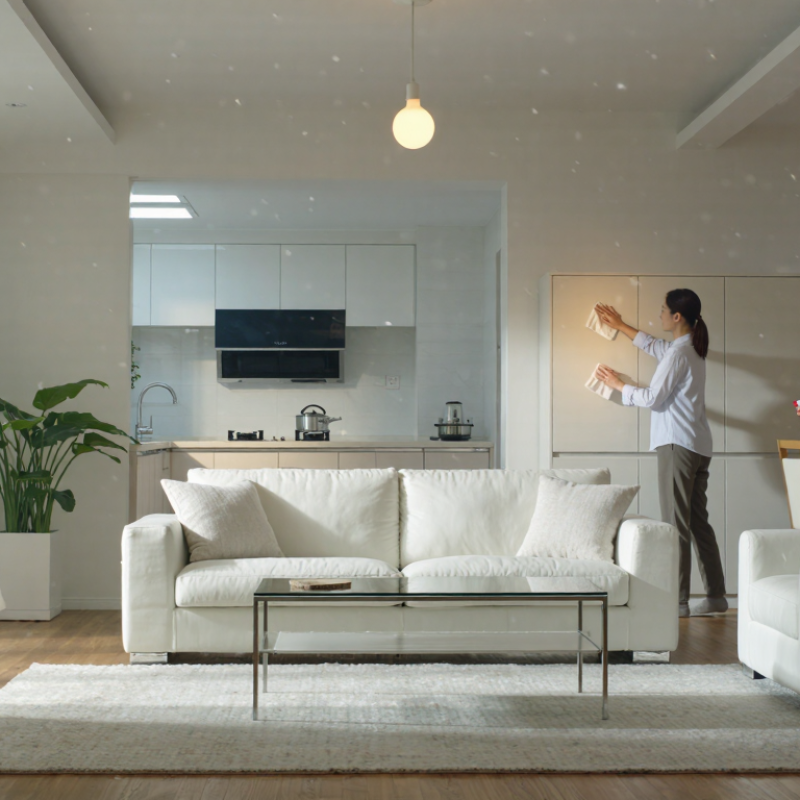
White furniture can yellow for different reasons, so identify its finish before changing cleaners or treatments. Check care records or labels for paint, lacquer, laminate, or oil. If the finish is unknown, inspect an inconspicuous area first. Avoid scraping or using solvents to identify it. A tiny test can still leave a mark, so proceed carefully.
To track color change, use ASTM D2244, which describes calculating color differences from instrumentally measured color coordinates. ΔE gives a numerical comparison, not a diagnosis of why the furniture changed. Measure a clean, dry surface with the same instrument, settings, and lighting conditions each time. Take readings at marked spots, and include a less-exposed area for comparison. Consistency matters. Record the date and conditions; one reading alone may mislead.
Tips: Keep pieces away from strong window light, heaters, and hot lamps. Dust with a soft, dry cloth, then use only a cleaner approved for the finish. For useful ΔE comparisons, repeat measurements over time rather than relying on memory or phone photos. There is no universal ΔE cutoff for every white surface; material, finish, and measurement setup affect how noticeable a change appears. A slow trend may be more informative than a single surprising result.
White furniture can yellow as sunlight gradually changes its surface, finish, or nearby materials. The risk is often greatest where a chair arm or cabinet door sits in a bright window beam. ASTM G154 offers a useful reference for understanding this exposure. In controlled tests, UVA-340 fluorescent lamps reproduce important short-wavelength ultraviolet parts of sunlight. Test cycles may also include heat and moisture, depending on the procedure. This is a laboratory method, not a promise that furniture will last a set number of years. Materials react differently.
At home, notice where direct sunlight falls at different times of day. Shift white pieces away from the strongest beams, or rotate them occasionally so one area is not always exposed. Light curtains can soften sunlight, though they do not block all UV. UV-filtering window film may help; check its specifications before choosing it. A small test patch can be misleading. Be careful. Clean furniture only with products suited to its surface, and test them in an inconspicuous spot. It is tempting to blame sunlight alone, but coatings, cleaners, heat, and age can also contribute. Blocking daylight may protect a finish, yet change the feel of a room. A dated photo can help you notice gradual color shifts.
White upholstery can fade or yellow after repeated sunlight, especially beside a bright window. When comparing window films, look for a tested UV-transmission rating, not just phrases such as “UV protection.” The rating should state what percentage of ultraviolet radiation passes through the film. Lower transmission generally means less UV reaches a chair or cabinet, though it cannot prevent every cause of discoloration.
Check the test documentation. Check the fine print. A useful report identifies the tested wavelength range and the method used, so you can compare products on consistent terms. Ask whether the rating applies to the film alone or to the film installed on glass; the distinction matters.
UV is only part of the picture: visible light, heat, fabric dyes, and household chemicals can also change a white surface. Not a cure-all. I would also inspect the window edges, where gaps or poor installation can leave furniture exposed.
Even a well-rated film may not preserve a finish indefinitely, so keep delicate pieces out of direct sun when practical and check them seasonally. Some fading is hard to notice until you move a cushion.
White furniture can yellow because of light, heat, aging finishes, or residue—not just dirt. The USDA Forest Products Laboratory’s Wood Handbook documents light-related color changes in wood. The CIE defines UVA as wavelengths from 315 to 400 nanometres, a useful range to consider when placing pale furniture near bright windows. For a measurable comparison, ASTM D2244-22 describes calculating colour differences, or ΔE, from instrument readings. A simple before-and-after photo can help, too, though lighting makes photos imperfect.
Use a soft microfibre cloth and a small amount of cleaner approved for the furniture’s specific finish. Test it on a hidden spot first. Wipe gently, then dry the surface; standing moisture may leave marks on some coatings. Avoid chlorine bleach, peroxide, and other harsh oxidizers. They can alter pigments or damage a clear coat, making yellowing worse rather than better. Less is safer. If the finish is unknown, start with a barely damp cloth and check the care instructions before using detergent. I’m not always patient enough to test first, but skipping that step can turn a small cleaning job into a visible patch. Sources: USDA Forest Products Laboratory, Wood Handbook: Wood as an Engineering Material, FPL-GTR-190; CIE terminology for ultraviolet radiation; ASTM D2244-22.
White furniture often yellows gradually, and heat can speed visible changes in some finishes. Keep cabinets, chairs, and shelves away from radiators, heaters, and sunny windows when practical. Even a few feet can reduce direct exposure. Close blinds during strong afternoon sun, but remember that ordinary window coverings may not block all ultraviolet light. Small changes help.
Indoor pollutants matter, too. Cooking oils, smoke, and airborne dust can settle on pale surfaces, leaving a warm or dingy cast. Use an extractor fan while cooking, ventilate the room, and dust with a clean, soft cloth. Avoid soaking painted or coated furniture; moisture and strong cleaners may damage the finish. I have found that gentle, regular cleaning is easier to judge than an occasional aggressive scrub. Still, some yellowing comes from aging materials, not dirt.
Compare the furniture with a baseline before deciding it has changed. Take a photo when the item is clean, using the same room, lighting, and camera position each time. A white chair can look cream-colored beside a cool daylight window, then brighter under a warm lamp. Check one hidden area, too. If the finish itself is changing, cleaning may not restore its original shade, and the exact cause can be hard to identify.
| Tip | Prevention Step | Possible Cause of Yellowing | What to Do | How to Check |
|---|---|---|---|---|
| 1 | Limit direct sunlight | Sunlight and ultraviolet exposure can discolor some paints, plastics, and clear finishes over time. | Position furniture away from strong direct sun. Use curtains or blinds during periods of intense sunlight. | Compare areas that receive sunlight with shaded areas, using the same lighting conditions. |
| 2 | Keep heat sources at a distance | Prolonged heat from radiators, heaters, or cooking appliances may accelerate changes in some finishes. | Avoid placing furniture beside heat outlets or directly next to appliances that produce sustained heat. | Note the furniture’s distance from heat sources and check for uneven color changes over time. |
| 3 | Reduce indoor pollutants | Smoke, cooking oils, and airborne particles can settle on surfaces and contribute to discoloration or grime. | Ventilate while cooking, use an extractor where available, and keep smoke away from the furniture. | Inspect surfaces near kitchens, fireplaces, or smoking areas for residue or a yellowish film. |
| 4 | Clean gently and regularly | Built-up dust and oily residue can make a white surface look yellow or dull. | Dust with a soft, clean cloth. For marks, use a lightly damp cloth and a mild cleaner suitable for the finish. | Test any cleaner on a small, inconspicuous area first and follow the furniture-care instructions. |
| 5 | Avoid harsh cleaning products | Strong solvents, abrasives, or unsuitable chemicals may damage paint, coatings, or plastic surfaces. | Do not use abrasive pads or unapproved bleach-based products; check the care guidance before cleaning. | Stop if the surface becomes tacky, dull, rough, or changes color during cleaning. |
| 6 | Keep the surface dry and clear | Spills, residues, and prolonged contact with colored or rubber materials may leave marks on some finishes. | Wipe spills promptly and use clean, non-staining protective pads under objects where appropriate. | Check contact points and areas beneath objects for marks or differences in color. |
| 7 | Create and compare a color baseline | Different lighting, camera settings, and nearby colors can make the same surface appear different. | Take a reference photo when the furniture is clean, using consistent lighting and including a neutral white reference card. | Repeat the photo from the same angle and in similar lighting; compare it with the original before deciding whether color has changed. |
Finish materials respond differently to light, heat, and cleaners. Follow the furniture maker’s care instructions whenever available.
Repeated sunlight can affect its surface, finish, or nearby materials. A chair arm in a bright beam may show changes first.
It is a laboratory weathering reference using UVA-340 lamps. Some test cycles also include heat and moisture. It cannot predict a precise lifespan.
Move delicate pieces away from strong beams or rotate them occasionally. Light curtains soften sunlight, but do not block all ultraviolet radiation.
Look for a tested UV-transmission rating and its supporting report. Check the wavelength range and test method. Lower transmission generally lets less UV through.
No. Ask whether testing covered the film alone or the film installed on glass. That difference matters.
No. Visible light, heat, dyes, cleaners, and age can also affect color. Not a cure-all.
Take a dated photo from the same angle each season. Some fading is easy to miss until you move a cushion.
Use products suited to its surface and test an inconspicuous spot first. I might have blamed sunlight alone; that was probably too simple.
How to keep white furniture from turning yellow over time starts with identifying its finish and recording its current color as a baseline. If you need to track changes, compare measurements using the ΔE color-difference approach described in ASTM D2244. Reduce prolonged direct sunlight, and use ASTM G154 UVA-340 weathering guidance to understand how UV exposure may affect finishes. When choosing window film, compare tested UV-transmission ratings rather than relying on broad claims.
Clean furniture with products suited to its specific finish, and avoid bleach or harsh oxidizers that may discolor or damage the surface. Heat and indoor pollutants can also contribute to yellowing, so limit exposure where practical. Periodically compare the furniture with your baseline under consistent lighting; this makes gradual color changes easier to spot and helps you adjust your care routine before discoloration becomes pronounced.
Q-Flow Home