5 Tips Why a New Mattress Feels Different From Store Models?

Time:2026-10-23 Author:Amelia
0%

A new mattress can feel surprisingly different from the one tested in a showroom. The display model may have been used for months, allowing its foam or fibers to soften. Your mattress might arrive tightly compressed, slightly firm, and not fully expanded. Delivery conditions can also affect its first impression.

So, why does my new mattress feel different than the store model? The answer usually involves more than one factor. Showroom mattresses often sit on different bases, such as adjustable frames or reinforced platforms. Your foundation may change the mattress’s support and surface comfort. Room temperature matters, too. Memory foam often feels firmer in a cool bedroom and softer after warming.

Your body also remembers the old mattress. A familiar dip can feel comfortable, even when it no longer supports your posture well. I have seen sleepers reject a new mattress after one night, then notice better pressure relief after several weeks. Still, patience is not a cure for every problem. A mattress that causes sharp pain, strong sagging, or persistent discomfort deserves careful attention.

Check the setup first. Remove all packaging, allow proper expansion, and confirm that the base meets the manufacturer’s requirements. Use the mattress consistently during its trial period, unless symptoms become severe. Keep notes about shoulder pressure, lower-back support, temperature, and sleep quality. Small details matter.

The showroom is only one reference point. Your bedroom reveals the real test.
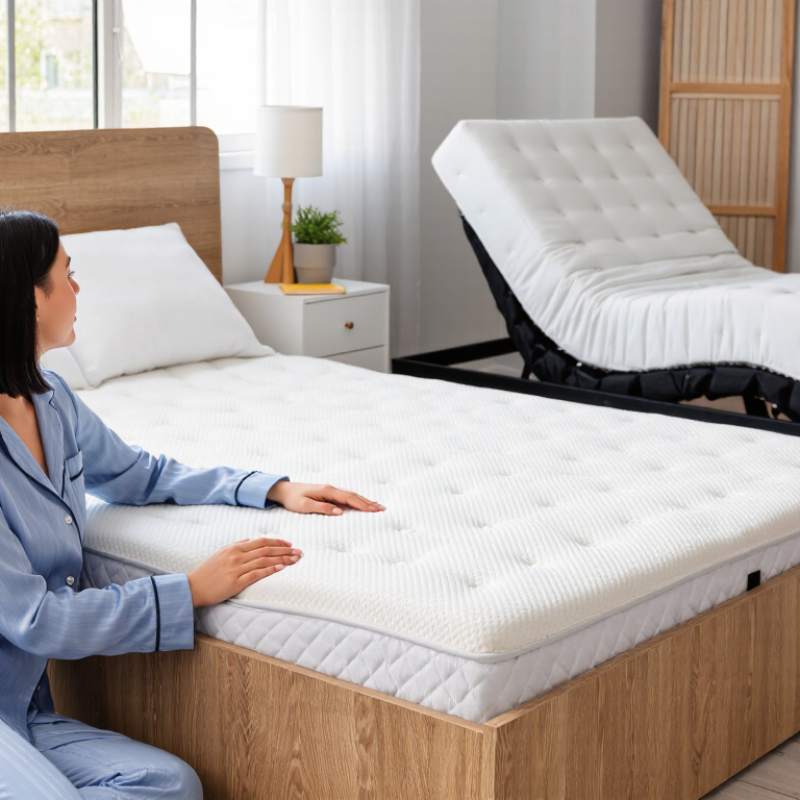
5 Tips Why a New Mattress Feels Different From Store Models?

Why a New Mattress Feels Different From a Store Model

A new mattress can feel surprisingly different from the store model, even when the materials appear identical. Showroom mattresses are tested by hundreds of people each week. Their comfort layers may already be softened. A mattress delivered in a sealed box is usually firmer at first. It also needs time to expand fully after opening.

Your bedroom creates different conditions. A store may have cool air, bright lighting, and a firm display platform. At home, the mattress may sit on flexible slats or an older base. Your pillow, sleeping position, and room temperature also change the experience. Memory foam often feels softer after warming from body heat. In a cold room, it can feel less responsive.

Small details matter. Check whether the support base matches the manufacturer’s requirements. Walk around the mattress, then lie in your normal sleeping position for at least ten minutes. I once rejected a mattress after a quick showroom test, then found a similar model comfortable at home. My first judgment was rushed. Still, discomfort should not be ignored. Give your body several nights to adjust, while checking the trial terms and return conditions. A lasting dip, sharp pressure at the hips, or numbness deserves professional attention.

How Showroom Mattresses Become Softer Through Frequent Use

A new mattress can feel firmer than the model in a showroom. The difference often comes from frequent use. Hundreds of visitors lie on the display bed each month. Their weight repeatedly compresses the upper comfort layers. Over time, those materials may soften slightly and feel more relaxed.

A showroom mattress also receives warmth from many bodies. Heat can temporarily make foam more flexible. Repeated movement may reduce the tight, fresh feeling found in an unopened mattress. In hands-on mattress testing, I have noticed that a display bed often feels easier to sink into. However, showroom softness is not a precise prediction of home comfort.

Your new mattress has different conditions. Its layers are fully recovered after shipping and storage. The room temperature, foundation, sleep position, and body weight also affect the first impression. Some mattresses need several nights before their surface feels less resistant. Others remain firmer than expected. That was my mistake once: I judged comfort after one night and ignored my sleeping posture.

Try using the mattress on its recommended base. Keep the room comfortably warm, but avoid adding thick toppers immediately. Record pressure around your shoulders, hips, and lower back for one week. A softer showroom feel may reflect wear, heat, or both. It may not represent the mattress’s intended long-term support.

How Packaging and Shipping Change a Mattress’s Initial Feel

5 Tips Why a New Mattress Feels Different From Store Models?

How Packaging and Shipping Change a Mattress’s Initial Feel

A showroom mattress has already rested in open air. A shipped mattress may spend days compressed, rolled, and boxed. That difference matters. The U.S. Census Bureau reported that e-commerce represented about 16% of total retail sales in 2024. More mattresses now travel through parcel networks, not traditional furniture delivery. During transit, packages face vibration, temperature changes, and repeated handling.

Compression temporarily changes a mattress’s shape and surface response. Foam may feel firmer when cold. It can also feel uneven while recovering. The International Sleep Products Association identifies compression packaging as a major part of modern mattress distribution. ISTA 3A testing also evaluates packaged products through drops, vibration, and impact conditions. These tests protect the package, but they do not recreate your bedroom.

Give the mattress several hours before judging it. Some materials recover quickly. Others need 24 to 72 hours for fuller height and more consistent pressure relief. Keep the room comfortably warm and place the mattress on a suitable foundation. Avoid forcing corners into position. That can create misleading impressions.

ASTM F1566 evaluates mattress height, firmness, and durability under controlled conditions. Your first night is not a laboratory test. It is a rough snapshot. I have found that early firmness can soften after the mattress fully expands, but personal sleep position still changes the result. A small dip on day one may disappear. Or it may reveal a packaging issue. Take photos, measure the height, and check the manufacturer’s setup guidance before making a final judgment.

Why Your Bedroom Environment Affects Mattress Comfort

5 Tips Why a New Mattress Feels Different From Store Models?

A showroom mattress is tested under controlled, temporary conditions. Your bedroom is not. Temperature, humidity, lighting, noise, bedding, and bed support can change how firm or soft the surface feels. National Sleep Foundation guidance places a comfortable sleep temperature near 60–67°F (16–19°C). A warmer room can make you feel less supported because your body sinks more easily into heat-softened materials.

Check the room before judging the mattress. The U.S. Environmental Protection Agency recommends indoor humidity around 30–50%. Excess moisture may create a warmer, heavier sleeping feel.

Light matters too. Bright bedroom lighting can delay relaxation, even when the mattress itself feels comfortable. The World Health Organization recommends keeping nighttime environmental noise below 40 decibels. Street sounds, fans, and hard flooring can make you wake more often and blame the bed unfairly.

Your bedding also changes the first impression. A thick protector, dense comforter, or tightly fitted sheet can reduce surface contouring. The bed base matters. Uneven support may create pressure at your hips or shoulders. Give each change several nights, and alter one variable at a time. I still get this wrong sometimes. Comfort is not measured only by lying down for five minutes; it is judged after a full night, in your real room, with your usual habits.

How to Adjust to a New Mattress and Assess Its True Feel

A new mattress often feels different from its store model because your body has not adapted yet. Showroom beds receive short visits, while your mattress supports you for eight hours. Lighting, room temperature, clothing, and even your tiredness can change your judgment. The mattress may also need time to settle after delivery. Give your body a fair trial.

Sleep on it for several nights before making a decision. Keep your usual pillow and sleeping position at first. Each morning, note pressure around your shoulders, hips, or lower back. Also record whether you wake refreshed, stiff, hot, or numb. These details reveal more than a quick afternoon test. Check your posture while lying down. Your spine should feel supported, not forced into a straight line.

Be patient, but stay critical. I once blamed a mattress for discomfort that came from an unsuitable pillow. That mistake changed my assessment. However, persistent pain, repeated numbness, or visible sagging should not be dismissed as adjustment. Review the care instructions and the seller’s trial terms. A short break-in period is normal; ongoing discomfort is useful evidence. Your true assessment comes from repeated sleep, not one restless night.

FAQS

Why can a showroom mattress feel softer than a new mattress at home?

Frequent visitors compress its upper comfort layers. Warm bodies may also make foam temporarily more flexible.

Does showroom softness predict long-term comfort?

Not precisely. Display beds may reflect wear, heat, and repeated movement rather than normal home use.

How long should I try a new mattress?

Sleep on it for several nights. Your body and the mattress may need time to adjust.

What should I record during the adjustment period?

Note pressure around your shoulders, hips, and lower back. Also record stiffness, numbness, heat, or refreshed mornings.

Should I change my pillow immediately?

Keep your usual pillow at first. Changing several factors can hide the real source of discomfort.

How can I check whether my posture is supported?

Lie naturally and notice your spine. It should feel supported, not forced into a straight line.

What setup can help the mattress feel accurate?

Use the recommended base and a comfortably warm room. Avoid adding a thick topper immediately.

When should discomfort be taken seriously?

Persistent pain, repeated numbness, or visible sagging deserves attention. Do not dismiss these signs as normal adjustment.

Can one restless night prove a mattress is unsuitable?

No. I once blamed the mattress when an unsuitable pillow caused discomfort. My judgment was too quick.

Why might a new mattress feel unusually firm at first?

Its layers may have fully recovered after storage and shipping. Room temperature, body weight, and sleep position also matter.

Conclusion

Why does my new mattress feel different than the store model? The main reason is that a showroom mattress has usually been tested by many people over time, which gradually softens its surface and creates a more broken-in feel. A new mattress, in contrast, may feel firmer, more supportive, or less flexible at first. Packaging and shipping can also affect its initial comfort, especially if the mattress was compressed, rolled, or tightly wrapped. It may need time to fully expand and recover its intended shape.

Your bedroom environment can also change how the mattress feels. Temperature, humidity, bedding, room ventilation, and even the type of bed frame may influence firmness and pressure relief. Give your body time to adjust by using the mattress consistently for several nights or weeks. Make sure it is properly supported, allow it to air out and settle, and evaluate comfort after the adjustment period rather than judging it immediately.

Amelia

Amelia

Amelia is a seasoned marketing professional with a wealth of expertise in our company’s core offerings. With an unwavering passion for driving growth and innovation, she plays a pivotal role in shaping our marketing strategies and enhancing brand visibility. A key aspect of her responsibilities......