A bedroom can feel crowded before its furniture count gets high. A bulky frame, visible legs, and a tall headboard may interrupt the room’s clean lines. A platform bed takes a quieter approach: its mattress rests on a supportive base, often without a box spring. The effect is practical and visual. The bed sits lower, and the space around it can feel more open.
Why are platform beds better for modern interior design? The answer often involves proportion, function, and flexibility—not just appearance. Houzz’s 2024 U.S. Houzz & Home Study reported that median renovation spending reached $24,000 in 2023. That figure covers home projects, not bed purchases, so it cannot prove platform beds are superior. It does, however, reflect the real investment homeowners make in livable spaces. When choosing bedroom furniture, durability and everyday use deserve as much attention as style.
The seven reasons ahead explore how platform beds can support a streamlined look, reduce visual clutter, and suit different room sizes. Some designs also include drawers or shelves, useful where closet space is tight. That matters. Still, a low profile is not automatically comfortable, and storage can make a frame heavier. Measure carefully, check the slat spacing, and consider how the bed will feel beside your existing furniture. Small details count.
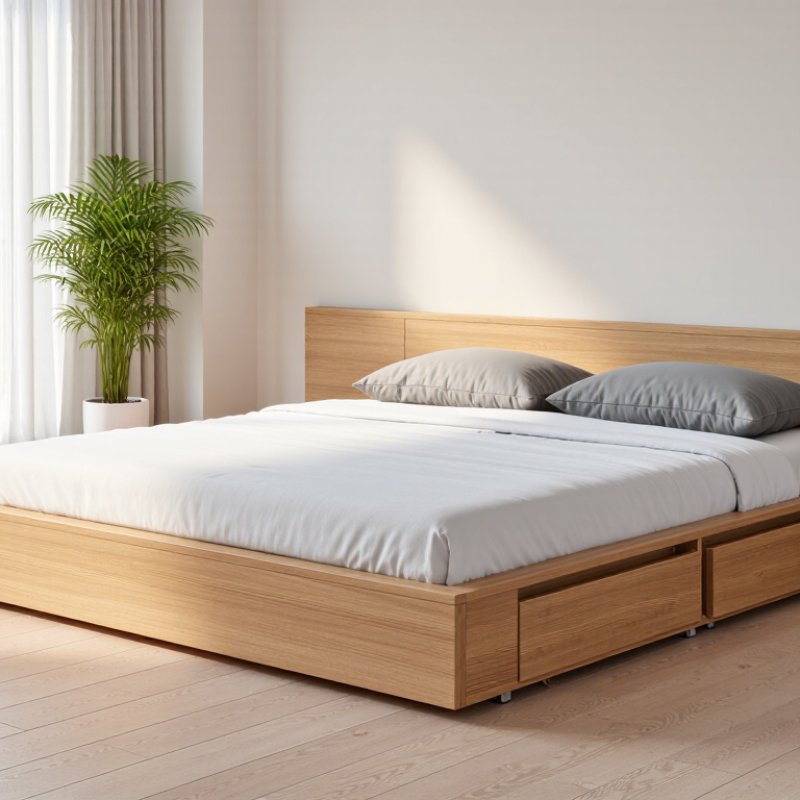
Modern design often uses clear lines, open floor space, and restrained shapes. A platform bed supports that visual language with a low frame and a simple outline. Without a tall box spring, the mattress sits closer to the floor, making the room feel less crowded. The effect is quiet, not dramatic. That can be enough.
The broad, level base also gives bedding a neat boundary. Crisp white sheets emphasize its geometry, while a textured wool blanket softens the harder edges. In a small bedroom, a frame with slim sides can reveal more flooring around the bed. That visible floor helps the layout feel more continuous. Keep nearby furniture simple, too; several bulky silhouettes can undo the sense of calm.
Proportion matters more than fashion. Measure the frame against the room, and check how easily you can sit down and stand up. Low beds may be awkward for some people, especially when mobility or joint comfort is a concern. They can also make dust easier to notice beneath the frame. Not every room benefits. I would not choose a low silhouette just because it looks good in a photograph. On uneven floors, even a clean design can appear slightly off.
Platform beds integrate mattress support into the frame, often using closely spaced slats or a solid deck. That can remove the need for a separate box spring and reduce extra parts beneath the mattress. The result is a cleaner profile, with less visual bulk and fewer components to shift or squeak. Fit matters. Slats should support the mattress evenly, and a center rail can help limit sagging on wider frames.
Support affects the mattress, but it does not guarantee better sleep. The National Sleep Foundation’s 2011 Bedroom Poll found that 92% of respondents considered a comfortable mattress important for good sleep. That survey reflects reported preferences, not proof that platform beds improve sleep quality. Check the mattress maker’s support requirements before choosing a frame, especially the permitted slat spacing and ventilation needs. A solid deck may look especially simple, yet it can restrict airflow for some mattresses. Even a well-built platform can feel wrong if its surface is too firm or uneven. The detail is easy to miss.
| Design Reason | Platform Bed | Compared with a Traditional Bed Frame | Modern Design Benefit |
|---|---|---|---|
| 1. Integrated mattress support | A platform typically supports a mattress with a solid surface or a system of slats, so a separate box spring is often unnecessary. | Many conventional frames are designed to hold a box spring or foundation, adding another component beneath the mattress. | A simpler, less layered profile |
| 2. Streamlined structure | The support surface and bed frame are commonly combined into one piece of furniture. | A frame, foundation, and mattress can create several visible layers and separate parts. | A clean, uncluttered silhouette |
| 3. Lower visual profile | Many platform designs sit relatively close to the floor, though the overall height varies by model and mattress thickness. | A frame paired with a foundation can place the mattress higher, depending on the components used. | A grounded look that suits minimalist rooms |
| 4. Flexible material choices | Platform beds are available in materials such as wood, metal, and upholstered construction. | Traditional frames also come in varied materials, but the foundation may add another visible surface or finish. | More options for coordinating textures and finishes |
| 5. Potentially simpler setup | When a separate foundation is not required, there are fewer components to position during bed setup. | A frame-and-foundation arrangement requires both pieces to be assembled or positioned before the mattress is added. | Fewer layers to arrange |
| 6. Storage choices built into the design | Some platform beds have drawers or open space beneath them; storage depends on the specific design and leg height. | Storage under a traditional frame depends on its clearance and whether separate storage furniture is used. | Storage can be incorporated without changing the overall style |
| 7. A versatile base for modern interiors | The straightforward form works with a range of headboards, bedding, and room styles. | Traditional frames can also suit modern rooms, but multi-piece setups may create a more layered appearance. | An adaptable foundation for changing décor |
Note: Platform-bed designs vary. Check the mattress manufacturer’s support requirements and the bed’s slat spacing, weight capacity, and assembly instructions before purchase.
A platform bed keeps the mattress close to the floor, lowering the room’s visual center. That matters. With less height beneath the bed, the space can feel calmer and less crowded, especially in a compact bedroom. The lower silhouette also leaves more wall visible above the mattress, giving artwork or a simple painted surface room to breathe.
For a balanced look, consider the height of nearby furniture. A tall nightstand beside a very low bed can feel awkward, while a modest table keeps the lines closer together. Measure the mattress and frame together; a thick mattress can change the finished height more than expected. Pale bedding, open floor space, and a clear path around the bed can reinforce the uncluttered effect without making the room feel bare.
Low height is not ideal for every sleeper. Sitting down and standing up may take more effort, particularly for people with limited mobility or stiff knees. Check the bed’s height in person if possible, and account for rugs that may raise the surrounding floor slightly. The look is appealing, but comfort should not be treated as a small detail.
Platform beds can turn the space beneath a mattress into useful storage without adding a separate dresser. In a compact bedroom, that can leave more floor space for a walking path or a small chair. The best setup depends on what you need to store. Drawers keep folded clothes and spare sheets close at hand, while open cubbies suit baskets, books, or slippers.
Measure the room before choosing a design. Drawer beds need enough clearance to open fully, and a bedside table can block access.
Small detail, big difference.
Lift-up storage offers a larger compartment for bulky blankets or seasonal bedding, but check how easily the frame opens and whether you can reach items at the back. A divided interior can help prevent the space from becoming a jumble.
Open storage is convenient, though it can look untidy when baskets are mismatched or belongings collect in plain sight. Enclosed drawers create a calmer appearance, but they may reduce airflow around stored fabrics. Keep bedding dry, and avoid packing compartments so tightly that items are hard to retrieve. It is easy to assume more storage is always better; in practice, the right layout is the one you can use comfortably every day.
Platform beds suit modern interiors because their materials and finishes can shift the mood without changing the clean, low profile. A pale oak frame adds warmth beside white walls, while walnut brings depth to a room with soft gray textiles. Painted wood can feel crisp, and upholstered sides soften a space with hard floors. Metal details offer a sharper edge. Small details matter.
The frame’s finish also affects everyday upkeep. Matte surfaces tend to hide fingerprints better than glossy ones, though they may still show dust. Natural wood grain gives each bed subtle variation, but the color can differ from sample images. That choice isn’t perfect. Consider how the finish looks in morning and evening light before deciding.
Tips: Match the bed’s undertone to nearby furniture, not just the wall color. Bring home a finish sample if possible, and view it beside your flooring. For a small room, lighter finishes can feel airy; darker frames can anchor a larger space. Check care instructions, too, especially for upholstered or textured materials.
Closely spaced slats or a solid deck support the mattress directly. A center rail can help wider frames resist sagging. Check your mattress maker’s support requirements.
Many platform frames provide built-in support, so a separate box spring may not be needed. Confirm your mattress requirements first. Fit matters.
Not by itself. A 2011 survey reported that many people value a comfortable mattress, but it did not prove platform beds improve sleep. An uneven or overly firm surface can still feel wrong.
Drawers work well for folded clothes and sheets. Open cubbies fit baskets, books, or slippers. Lift-up storage can hold bulky blankets. Easy access matters.
Check the room’s walking space and drawer clearance. A bedside table can block a drawer from opening fully. Measure twice.
Keep bedding dry, and avoid overfilling compartments. Dividers can stop blankets from becoming a jumble. I might choose the biggest compartment, but reaching the back matters more.
Pale wood can feel warm beside white walls, while darker frames can anchor a larger room. Compare the finish with nearby furniture and flooring.
Matte finishes often hide fingerprints better, though dust may still show. Wood grain and color can vary from samples. Check care instructions, especially for upholstered surfaces.
Why are platform beds better for modern interior design? Their clean, streamlined silhouettes create a calm visual foundation that complements the simplicity often associated with contemporary spaces. By supporting the mattress directly, platform beds can reduce the need for a bulky box spring and keep the overall structure straightforward. Their lower profiles also help rooms feel more open and uncluttered, making them a practical choice for bedrooms where visual balance matters.
Platform beds can also make better use of available space through options such as drawers or lift-up storage, helping keep everyday items out of sight. A wide range of materials and finishes—from warm wood tones to understated upholstered surfaces—allows them to suit different interior styles. Together, their simple construction, flexible storage, and adaptable appearance make platform beds a functional and visually versatile choice for modern bedrooms.

Q-Flow Home